Antimicrobial resistance is a significant challenge in health care, but at Rosas Medical Center, we’re integrating cutting-edge strategies to tackle it. Our commitment to personalized care means we educate and empower our Sunrise community, offering safeguards against this growing threat. Let our experienced team guide you to make well-informed health decisions for a safer future.
Understanding Antimicrobial Resistance
Rosas Medical Center’s Approach
Antimicrobial resistance (AMR) occurs when bacteria, viruses, and fungi evolve to resist the effects of medications that once killed them, posing a critical threat to healthcare worldwide. According to the CDC, it’s responsible for up to 35,000 deaths annually in the United States alone.
Rosas Medical Center’s Approach
At Rosas Medical Center, we’re committed to combating AMR through healthcare access in Sunrise and tailored treatment plans. We educate our patients about the responsible use of antibiotics and preventive practices vital in this fight. A community member recently commented, ‘I feel more empowered with the knowledge the center shares. It helps me make informed choices for my family’s health.’ This embodies our patient-first philosophy.
Effective Strategies We Employ
Comprehensive education on antibiotic use
Incorporation of preventive measures
Research-led insights for personalized care
Community workshops and resources
Facing the Future Together
Our team continuously analyzes health trends to adapt our strategies.
Antimicrobial resistance isn’t just a crisis of tomorrow. It’s today’s challenge, demanding immediate, collective action.
We’ve improved healthcare delivery by addressing silent threats like High Blood Pressure, ensuring comprehensive wellness assessments.
Real-World Impact
A Sunrise resident recently shared how our proactive approach identified a resistant infection early, transforming her treatment outcome. Such stories reinforce our commitment to personalized, effective healthcare.
Conclusion: Taking Action
The fight against AMR requires everyone’s involvement. We encourage you to audit your antibiotic use and consult us for personalized plans to safeguard your health.
Frequently Asked Questions
What is antimicrobial resistance?
Antimicrobial resistance (AMR) is when microorganisms like bacteria and viruses develop the ability to survive treatments that usually kill them, rendering standard medications ineffective.
How can I prevent antimicrobial resistance?
Preventing AMR involves using antibiotics only when prescribed, completing all doses, and practicing good hygiene to reduce infection risks that may lead to antibiotic misuse.
Why is Rosas Medical Center’s approach to AMR effective?
Rosas Medical Center’s approach is effective due to our focus on patient education, personalized treatment, and continual adaptation to healthcare developments, ensuring our community remains informed and well-cared for.
Controlling your insulin levels is essential to preventing prediabetes and type 2 diabetes. Small lifestyle adjustments, such as a balanced diet and regular exercise, can significantly stabilize insulin levels. Rosas Medical Center in Sunrise offers personalized guidance, supporting community health with a patient-centered approach. Protecting your health starts with understanding how these habits impact your body and making changes to align with expert guidance.
The Importance of Insulin Control
Prioritize Balanced Nutrition
Insulin plays a vital role in regulating blood sugar levels, acting almost like a gatekeeper for energy. When your body doesn’t utilize insulin effectively, it can lead to insulin resistance, a precursor to type 2 diabetes. Residents in Sunrise can benefit from understanding these mechanisms to maintain their health.
Practical Steps to Manage Insulin
Prioritize Balanced Nutrition
Incorporating a mix of complex carbohydrates, lean proteins, and healthy fats can stabilize blood sugar levels. Foods rich in fiber and low in sugar content help reduce insulin spikes. This simple dietary adjustment can be impactful.
Regular Physical Activity
Engage in at least 150 minutes of moderate exercise weekly.
Consider activities like brisk walking, swimming, or cycling.
Ensure consistency to enhance insulin sensitivity.
“Insulin control is achievable with patience and consistent lifestyle modifications—quick fixes won’t cut it,” explains a specialist at Rosas Medical Center.
The Local Angle: Sunrise Residents’ Health
At Rosas Medical Center, we’ve observed that with guided care, Sunrise residents make substantial progress in managing their insulin levels. For example, in a recent community workshop, a participant shared how reducing processed foods and incorporating more physical activity helped reduce her fasting insulin levels in just three months.
Common Misconceptions
There’s a belief that insulin issues only affect those visibly overweight, but slim individuals can be susceptible too. The focus should be on metabolic health rather than weight alone.
Why does this matter? Insulin concerns are not restricted by appearance, emphasizing the need for everyone to be vigilant.
Frequently Asked Questions
How quickly can I see changes with regular exercise?
A: Consistency in physical activity often shows improvements in insulin sensitivity within 2-3 months. It’s essential to maintain regularity rather than intensity.
What foods should I avoid to control my insulin?
A: Highly processed foods and those with high simple sugar content should be minimized. Prioritize whole foods, leafy greens, and lean meats.
Is medication always necessary for controlling insulin levels?
A: Not always. Many can manage insulin effectively with lifestyle adjustments. However, consult with your healthcare provider for personalized advice at Rosas Medical Center.
Take Action Today
Evaluate your current habits with a simple checklist: Are you prioritizing whole foods? Regularly active? Implement these changes and consult a healthcare professional to track your progress. A Healthy Mind Improves Your Quality of Life.
How quickly can I see changes with regular exercise?
Consistency in physical activity often shows improvements in insulin sensitivity within 2-3 months. It’s essential to maintain regularity rather than intensity.
What foods should I avoid to control my insulin?
Highly processed foods and those with high simple sugar content should be minimized. Prioritize whole foods, leafy greens, and lean meats.
Is medication always necessary for controlling insulin levels?
Not always. Many can manage insulin effectively with lifestyle adjustments. However, consult with your healthcare provider for personalized advice.
Rosas Medical Center is revolutionizing healthcare access for Sunrise residents with its patient-centered approach and comprehensive services. Located in the heart of Sunrise, we focus on community involvement and personalized care to ensure that your healthcare needs are met right at your doorstep, eliminating the hassle of distant travels and impersonal services.
Enhancing Access to Healthcare in Sunrise
Patient-Centered Approach
Sunrise is a tight-knit community, and having accessible healthcare services is not just an option; it’s a necessity. Rosas Medical Center is dedicated to making healthcare convenient and comprehensive for Sunrise residents. We’re right here in your neighborhood, ensuring care is just a short drive away.
Comprehensive Services Under One Roof
Why travel miles away when you can receive the care you need locally? From pediatrics to gerontology, our facility offers a wide range of medical services. This integration of care under one roof reduces the stress of coordinating multiple appointments and ensures seamless healthcare delivery.
Local Trust and Personal Touch
Community Involvement
Being involved in the local community is not just beneficial for residents; it’s vital for us as healthcare providers. By understanding your specific needs and conditions, we tailor our services. Community involvement in healthcare isn’t just a catchphrase; it’s a cornerstone of our service.
Real-World Impact
A recent story from our location: A patient, who had put off seeing a doctor due to the commute to larger cities, found renewed health and peace knowing that quality care was now available just around the corner.
Why Choose Rosas Medical Center?
Personalized treatment plans based on your specific health needs
Our approach is inherently patient-centered. We listen to our patients, and this open dialogue contributes to the superior care we provide. In an era where large healthcare providers seem distant, our emphasis on personable interactions makes a world of difference.
“In our experience, too often, healthcare becomes impersonal. A visit must be more than an appointment, it should feel like catching up with family.”
FAQs on Healthcare Access in Sunrise
Further reading
click-worthy text — Provides authoritative information on mental health care.
Frequently Asked Questions
What services does Rosas Medical Center offer?
Rosas Medical Center offers a wide range of medical services, including primary care, specialist consultations, pediatrics, geriatric care, and more. We provide integrated healthcare under one roof to make it convenient for our patients.
How does Rosas Medical Center ensure personalized care?
Our healthcare model is built around understanding patient needs through one-on-one consultations, developing personalized treatment plans, and being an active member of the Sunrise community to grasp the broader health concerns of our residents.
Why is community involvement important in healthcare?
Community involvement allows healthcare providers to tailor their services to the specific needs of the population. It fosters trust, improves health outcomes, and ensures that care is relevant and effective for local residents.
In Sunrise, we believe that nurturing a healthy mind is paramount for a fulfilling life. At Rosas Medical Center, we emphasize personalized mental health care as part of our comprehensive services. By focusing on mental wellness, we help our community members lead happier, more balanced lives. Whether it’s through reducing stress or enhancing mental clarity, our patient-centered approach ensures that each individual receives the care they need. This dedication to mental health not only improves quality of life but also fosters a stronger, more connected community.
The Mind-Body Connection
Community Involvement in Mental Health
Your mental health doesn’t exist in a vacuum; it’s deeply intertwined with your physical well-being. At Rosas Medical Center, we see firsthand how anxiety or stress can manifest in bodily symptoms like high blood pressure. Early detection of these silent signs can prevent larger health issues.
Personalized Mental Health Care
Each person’s mental health journey is unique, which is why we provide tailored treatments that respect individual needs. We’ve witnessed patients transforming their lives after engaging in personalized therapies.
Community Involvement in Mental Health
Our commitment to community involvement ensures that everyone in Sunrise can access mental health resources. By building trust within our community, we strive to make mental wellness a shared goal.
Access diverse mental health services
Benefit from community support groups
Engage in wellness workshops
“Addressing mental health is not just about treatment; it’s about prevention and building resilience within the community.”
An Example of Patient Success
In 2023, we helped a client battling anxiety through a series of mindful interventions, leading to a 50% reduction in stress levels. The positive impact this had on their work and family life was profound.
Making Mental Health a Priority
Focusing on mental health benefits not only individuals but the wider community. By prioritizing mental wellness, we improve quality of life for everyone in Sunrise.
Call to Action
Audit your mental health today by focusing on these key areas: stress management, emotional regulation, lifestyle adjustments, and community involvement. Begin your journey to a happier life at Rosas Medical Center.
Further reading
mental health stats — provides authoritative information on mental health statistics
How can mental health impact overall quality of life?
Mental health plays a crucial role in your ability to cope with stress, maintain relationships, and function effectively. Good mental health is linked to better physical health, leading to overall improved quality of life.
What personalized mental health services does Rosas Medical Center offer?
We provide a range of services including therapy for anxiety, stress management programs, mindfulness training, and community wellness workshops tailored to meet individual needs.
Why is community involvement important for mental health?
Community support strengthens treatment outcomes by fostering connections and providing resources, creating an environment where individuals feel understood and supported.
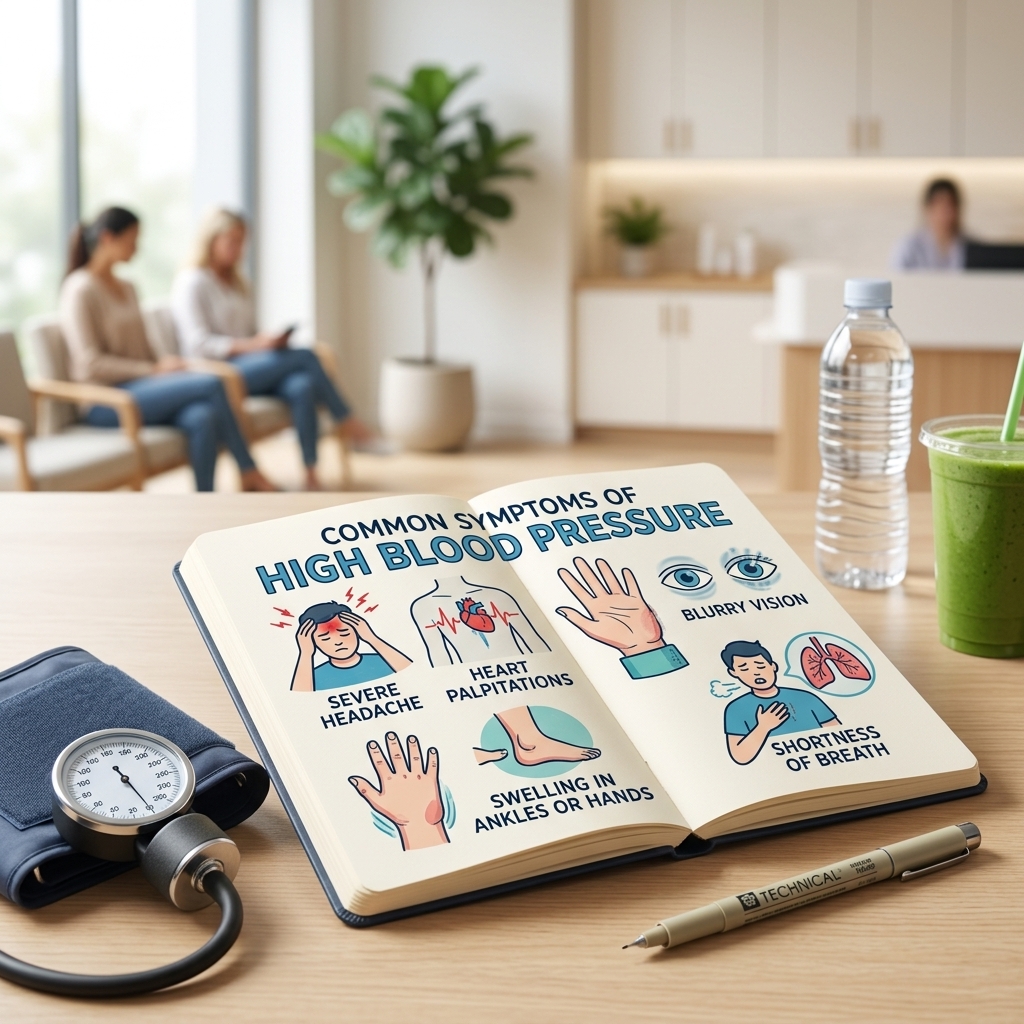
High blood pressure can be a silent threat to your well-being, with symptoms often going unnoticed. Recognizing these signs early, such as headaches or dizziness, can help prevent severe health complications. At Rosas Medical Center in Sunrise, we’re dedicated to offering personalized treatment plans, ensuring all residents receive the attentive care they need to manage and improve their health.
Understanding High Blood Pressure
Common Symptoms Often Overlooked
High blood pressure, also known as hypertension, can quietly damage your body for years before symptoms develop. If left uncontrolled, it may lead to disability, a poor quality of life, or even a fatal heart attack. But how can you tackle something that doesn’t show clear signs?
Common Symptoms Often Overlooked
Subtle Signs
Many people with high blood pressure might not experience any noticeable symptoms. However, subtle signs such as headaches, shortness of breath, or nosebleeds could be indicators.
Frequent headaches
Dizziness
Blurred vision
Shortness of breath
Nosebleeds
While these symptoms are not specific and usually don’t occur until high blood pressure has reached a severe stage, recognizing them can help prompt a visit to a healthcare provider.
The Importance of Early Detection
Early detection is crucial in managing high blood pressure. Regular check-ups can help identify patterns and address issues before they become major health risks.
“High blood pressure can exist without noticeable symptoms for many years, yet it’s a leading cause of preventable health issues.”
In our experience at Rosas Medical Center, patients who engage consistently with regular health check-ups often manage their conditions more effectively. In 2024, a local resident came to us for a routine exam, unaware of his hypertension. Through personalized care, we managed to significantly improve his condition.
Taking Proactive Steps
Regular exercise, a balanced diet, and medication adherence (when prescribed) play vital roles in managing hypertension. At Rosas Medical Center, we provide tailored lifestyle and treatment plans to aid Sunrise residents.
Schedule regular check-ups
Monitor your blood pressure at home
Adopt a heart-healthy diet
Stay active
Limit alcohol and quit smoking
These proactive steps, combined with our patient-centered approach, ensure you’re not just managing symptoms but improving your overall health.
Enhancing Local Health
Our commitment at Rosas Medical Center is to deliver health solutions that meet the needs of our community. Discover how our community involvement in healthcare contributes to building trust and providing comprehensive services.
Get Started on Better Health
High blood pressure should never be ignored. Schedule a check-up at our Sunrise location and explore how personalized care can make a difference in your life.
Audit your GBP listing for the 4 fields most overlooked: business hours accuracy, category relevance, customer reviews, and contact details.
What are the silent symptoms of high blood pressure?
High blood pressure can often exist without clear symptoms, making it a ‘silent killer.’ Common signs include persistent headaches, dizziness, and blurred vision. Regular monitoring is key to early detection.
Can high blood pressure be reversed?
While it can’t be completely reversed, high blood pressure can be managed effectively through lifestyle changes and medication. Early detection and proactive management are crucial to control its impact.
How often should I check my blood pressure?
If you have high blood pressure or other risk factors, your doctor might recommend more frequent checks. Typically, at least once a year is advisable. Home monitoring can provide additional insights into your health condition.
Can stress cause high blood pressure?
Chronic stress can contribute to temporary spikes in blood pressure. It’s important to manage stress through relaxation techniques, regular exercise, and seeking professional help when needed.
Men frequently delay visiting the doctor due to fear, stigma, or misconceptions about vulnerability. Yet, avoiding regular medical check-ups can lead to undiagnosed health issues that might escalate over time. In Sunrise, Rosas Medical Center emphasizes compassionate, personalized healthcare, which is crucial for tackling this challenge. By focusing on preventive care and community involvement, the center provides a welcoming environment for men to prioritize their well-being without hesitation or fear of judgment.
The Stigma Behind Doctor Visits for Men
The Consequences of Avoidance
Why do men shy away from the doctor? It’s not just stubbornness—though that might be part of it. Many men in Sunrise and beyond feel uneasy about exposing perceived vulnerabilities, often driven by societal norms around masculinity. Research indicates that men make about 30% fewer primary care visits compared to women (source). This hesitation can lead to untreated conditions escalating silently.
The Consequences of Avoidance
A client of ours recently hesitated to get a routine check-up, dismissing minor symptoms. When he finally visited Rosas Medical Center, he discovered a treatable condition that could have become severe without intervention. This is a common story among men who dismiss mild symptoms, thinking they’ll “tough it out.” Such decisions can lead to emergency situations that could have been prevented with regular check-ups.
Common Misconceptions About Doctor Visits
Fear of Diagnosis
Many men fear that seeing a doctor might uncover serious health issues. This fear is understandable but counterproductive. Early detection is often key to successful treatment. For example, managing stress with the right support (source: Is Stress Affecting Your Physical Health?).
Time Constraints
Work commitments and perceived lack of time are common excuses. It’s vital to prioritize health as the foundation of being able to fulfill these commitments.
“If men prioritized their health the way they do work, stress, and deadlines, preventative care wouldn’t feel like a luxury—it’d be a necessity.” — Conscientious Health Advocate
Breaking the Cycle: Steps Men Can Take
Schedule regular health screenings – focus on building a relationship with your health provider.
Educate yourself on common health risks specific to men.
Make health a priority in your lifestyle—like regular exercise and a balanced diet.
Join community health initiatives, enhancing both connection and wellness.
Our role in community involvement in healthcare has shown us that when men engage with their health openly, they’re more likely to adhere to health recommendations.
Personalized Healthcare in Sunrise
At Rosas Medical Center, we offer a comprehensive approach to treat healthcare anxieties. Our patient-centered space in Sunrise ensures comfort and trust with tailored strategies to meet individual needs. We’re committed to integrating compassion with expertise, fostering an environment where coming in for a check-up isn’t a chore but a part of a healthy lifestyle.
FAQs
Why do men avoid doctors?
Men often avoid doctors due to fear of diagnosis, stigma of vulnerability, or perceived time constraints. Social pressures can also influence this avoidance, leading to neglect of regular health checks.
What are the risks of not seeing a doctor regularly?
Missing regular health check-ups can result in undiagnosed conditions going untreated. This might lead to severe health consequences where early detection could have mitigated risks.
How can Rosas Medical Center help men in Sunrise overcome healthcare avoidance?
Rosas Medical Center emphasizes personalized and compassionate care. In addition to offering comprehensive services, we encourage participation in community health initiatives to ease the process of regular health engagements.
Actionable Steps
Take the next step today: Use your smartphone and scheduling app to book your annual check-up with Rosas Medical Center now. Prevention is the best cure!
Frequently Asked Questions
Why do men avoid doctors?
Men often avoid doctors due to fear of diagnosis, stigma of vulnerability, or perceived time constraints. Social pressures can also influence this avoidance, leading to neglect of regular health checks.
What are the risks of not seeing a doctor regularly?
Missing regular health check-ups can result in undiagnosed conditions going untreated. This might lead to severe health consequences where early detection could have mitigated risks.
How can Rosas Medical Center help men in Sunrise overcome healthcare avoidance?
Rosas Medical Center emphasizes personalized and compassionate care. In addition to offering comprehensive services, we encourage participation in community health initiatives to ease the process of regular health engagements.