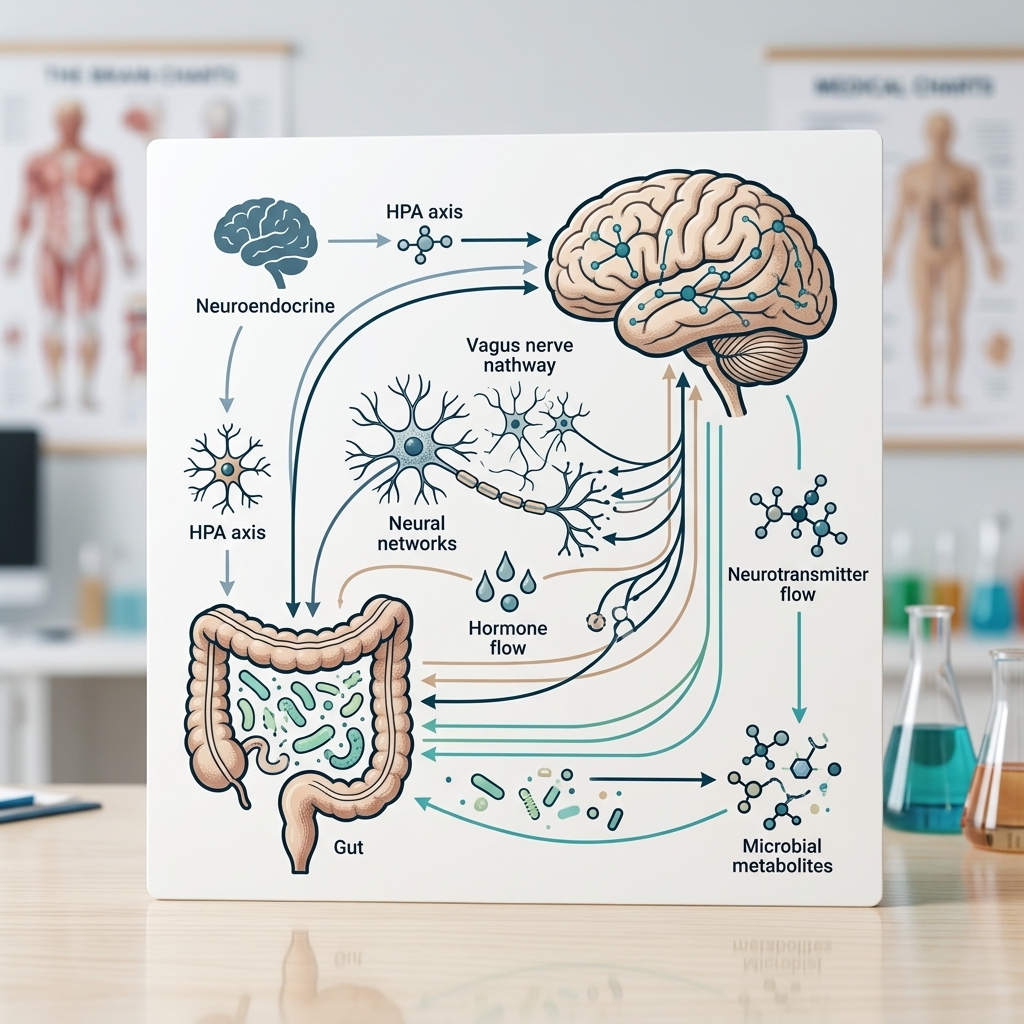
Gut health significantly influences how our bodies manage stress. By incorporating probiotics into your diet, you can potentially improve mental resilience and overall health. Rosas Medical Center in Sunrise offers a patient-centric approach to healthcare, ensuring personalized and comprehensive well-being support.
In our fast-paced lives, stress feels almost inevitable. Yet, the secret to managing it more effectively might lie in a part of the body often overlooked: the gut. Gut health impacts everything from digestion to immune function, but its influence on mental health, particularly stress, is increasingly recognized.
Understanding the Gut-Brain Connection
Understanding the Gut-Brain Connection
The gut-brain axis, a bidirectional communication pathway, links the emotional and cognitive centers of the brain with intestinal functions. This connection suggests that our mental health isn’t just in our heads—it’s deeply connected to our intestinal well-being.
A client of ours at Rosas Medical Center recently improved their stress levels after focusing on gut health. By integrating probiotics into their regimen, they experienced enhanced mood stability and a lower baseline stress level.
Can Probiotics Help Manage Stress?
Probiotics, often termed ‘good bacteria,’ are live organisms that can provide health benefits when consumed in adequate amounts. They’re primarily known for supporting digestive health but now research shows promising impacts on mental health as well.
Reduce stress-induced inflammation
Improve mood and decrease symptoms of anxiety
Enhance cognitive function under stress
“It’s not about eliminating stress but rather enhancing your body’s ability to cope,” says a leading nutritionist.
Probiotics: A Natural Approach
Probiotics are accessible through certain foods like yogurt and kefir, or as dietary supplements. But it’s not just about consuming them—understanding the right strains and appropriate doses is crucial.
There’s some skepticism about probiotics’ efficacy in stress management. Critics argue the effects are too subtle or not uniformly beneficial. It’s important to consult healthcare providers, like those at Rosas Medical Center, who can guide personalized recommendations.
Community-Centric Health Solutions
In Sunrise, our personalized care thrives on understanding and integrating these insights into comprehensive health support. From stress management to controlling chronic conditions, our patient-centered services are designed to cater to each individual’s needs.
For those looking to bolster their stress management strategies, companions can be found in integrated services including sleep health or understanding sleep patterns in Sunrise and managing conditions aggravated by stress, such as insulin-related issues.
FAQ
What are the benefits of probiotics for stress management?
Probiotics help reduce stress by modulating inflammation, enhancing mood, and improving brain function. They support a healthier gut environment, which is closely connected to emotional resilience.
How do probiotics affect mental health?
Studies indicate that probiotics can decrease anxiety and depression symptoms by affecting neurotransmitter production in the gut-brain axis.
Are there specific strains of probiotics that are better for stress relief?
Strains such as Lactobacillus and Bifidobacterium are often cited for their mood-enhancing properties, but personalized healthcare assessments are recommended.
How can Rosas Medical Center help with stress management?
Through a patient-centered approach, Rosas Medical Center offers personalized plans that integrate dietary adjustments, stress management techniques, and overall wellness support for Sunrise residents.
Your Next Step
Consider auditing your current diet and lifestyle with a focus on gut health. For tailored advice and a comprehensive wellness assessment, contact us to explore solutions that fit your unique needs in Sunrise.
What are the benefits of probiotics for stress management?
Probiotics help reduce stress by modulating inflammation, enhancing mood, and improving brain function. They support a healthier gut environment, which is closely connected to emotional resilience.
How do probiotics affect mental health?
Studies indicate that probiotics can decrease anxiety and depression symptoms by affecting neurotransmitter production in the gut-brain axis.
Are there specific strains of probiotics that are better for stress relief?
Strains such as Lactobacillus and Bifidobacterium are often cited for their mood-enhancing properties, but personalized healthcare assessments are recommended.
How can Rosas Medical Center help with stress management?
Through a patient-centered approach, Rosas Medical Center offers personalized plans that integrate dietary adjustments, stress management techniques, and overall wellness support for Sunrise residents.
Quality sleep is essential for overall health, yet many Sunrise residents struggle with sleep issues. Rosas Medical Center offers personalized care to help improve your sleep quality, boost your energy, and enhance your well-being. Book an appointment with us to explore tailored solutions that meet your unique needs.
Why Sleep Matters More Than You Think
Practical Tips for Better Sleep
Sleep is foundational to our health, impacting everything from mood to immune function. Yet, many in Sunrise find themselves tossing and turning at night. Why does this matter? Poor sleep can lead to serious health issues, including increased risk of chronic diseases.
Identifying the Root Causes of Poor Sleep
Understanding the cause of your sleep problems is the first step toward better rest. Factors like stress, diet, and lifestyle choices can heavily influence sleep patterns. At Rosas Medical Center, we take a patient-centered approach to identify and address these issues.
“Sleep is not just time spent between days—it’s foundational to how we face each day,” emphasizes one of our senior healthcare providers.
Practical Tips for Better Sleep
Create a sleep-friendly environment: Dark, quiet, and cool.
Maintain consistent sleep and wake times—even on weekends.
Limit screen time at least an hour before bed.
Engage in regular physical activity but avoid exercise close to bedtime.
Many of our clients noticed significant improvements within 60 days by following these practices.
Real-World Success: A Community Example
A client of ours recently approached us after struggling with sleep apnea for years, which affected their quality of life. Through a comprehensive treatment plan that included lifestyle modifications and therapy, they experienced remarkable improvement.
What Rosas Medical Center Offers
Rosas Medical Center provides a variety of services under one roof, ensuring you receive cohesive, personalized care. Whether it’s managing insulin control or addressing antimicrobial resistance, we’ve got you covered.
Schedule Your Consultation Today
Are you ready to improve your sleep? Audit your sleep environment with our experts and uncover the key factors affecting your rest. Don’t let another sleepless night go by. Make an appointment today and reclaim your well-being.
Adults typically need between 7 to 9 hours of sleep per night. Individual needs can vary based on genetics, health, and lifestyle.
What can I do if I have trouble falling asleep?
Establish a bedtime routine, avoid caffeine and electronics before bed, and consider a calming activity like reading or meditation to wind down.
Can sleep affect my overall health?
Yes, poor sleep is linked to physical health problems such as obesity, diabetes, and heart disease, as well as mental health issues like anxiety and depression.
Extreme heat can impact your body in serious ways. Understanding the symptoms of heat exhaustion and heat stroke is crucial for safety, especially in warmer months. While heat exhaustion might involve heavy sweating and dizziness, heat stroke is a critical emergency requiring immediate attention, characterized by confusion and very high temperatures. Being aware of these signs and knowing the right actions to take can safeguard your health and potentially save lives, especially for residents experiencing intense sun exposure in Sunrise.
Understanding Heat-Related Illnesses
Practical Tips for Staying Safe
Extreme heat affects every person differently. Heat exhaustion, a condition marked by intense sweating, dizziness, and fatigue, often occurs when your body struggles to cool down. More severe, however, is heat stroke, which is critical and necessitates urgent care. This condition can lead to confusion, fainting, and possibly fatal high body temperature.
Warning Signs of Heat Exhaustion
Recognizing these symptoms is crucial. Heavy sweating, weakness, dizziness, and nausea are all markers of heat exhaustion. If you notice these signs, act quickly by finding a cooler place, drinking water, and resting.
Recognizing and Responding to Heat Stroke
Heat stroke demands immediate action. It’s characterized by confusion, flushed skin, and possibly loss of consciousness. Don’t wait—if these symptoms appear, call for emergency medical help.
Extreme heat doesn’t discriminate. Understanding the signs saves lives.
Why This Matters for Sunrise Residents
Living in Sunrise, Pompano Beach or West Palm Beach means access to plenty of sunshine, but it’s imperative to recognize when too much of this good thing becomes harmful. Our community focal point is providing personalized care and solutions tailored to these unique challenges. At Rosas Medical Center, we’re committed to educating our community and ensuring no one faces these threats alone.
Real-World Examples
A local resident recently experienced severe dehydration while hiking the Sunrise trails. After recognizing warning signs early, they sought help at Rosas Medical Center, where our team quickly provided the necessary care to prevent more serious outcomes.
Practical Tips for Staying Safe
Stay hydrated—drink water frequently, even if you’re not thirsty.
Wear lightweight and light-colored clothing.
Avoid prolonged sun exposure and schedule outdoor activities for cooler parts of the day.
Use fans or air conditioning to cool down your environment.
Regularly check on vulnerable family members and neighbors.
In healthcare access in Sunrise, informed care is a priority. In our experience, taking preventive measures significantly mitigates heat-related risks.
The earliest indicators of heat exhaustion include heavy sweating, fatigue, muscle cramps, and skin that feels cool and moist. Recognizing these early allows for quick and effective intervention, preventing the condition from worsening.
How can I prevent heat stroke during hot weather?
Prevention involves staying hydrated, wearing loose-fitting clothing, and avoiding strenuous activities during peak sun hours. Know the warning signs, such as confusion or fainting, and seek medical help if any occur.
Why is heat stroke considered a medical emergency?
Heat stroke is a medical emergency because it can rapidly damage the brain and other vital organs leading to serious complications or death. It requires immediate medical assistance to ensure body temperature is lowered quickly.
Antimicrobial resistance is a significant challenge in health care, but at Rosas Medical Center, we’re integrating cutting-edge strategies to tackle it. Our commitment to personalized care means we educate and empower our Sunrise community, offering safeguards against this growing threat. Let our experienced team guide you to make well-informed health decisions for a safer future.
Understanding Antimicrobial Resistance
Rosas Medical Center’s Approach
Antimicrobial resistance (AMR) occurs when bacteria, viruses, and fungi evolve to resist the effects of medications that once killed them, posing a critical threat to healthcare worldwide. According to the CDC, it’s responsible for up to 35,000 deaths annually in the United States alone.
Rosas Medical Center’s Approach
At Rosas Medical Center, we’re committed to combating AMR through healthcare access in Sunrise and tailored treatment plans. We educate our patients about the responsible use of antibiotics and preventive practices vital in this fight. A community member recently commented, ‘I feel more empowered with the knowledge the center shares. It helps me make informed choices for my family’s health.’ This embodies our patient-first philosophy.
Effective Strategies We Employ
Comprehensive education on antibiotic use
Incorporation of preventive measures
Research-led insights for personalized care
Community workshops and resources
Facing the Future Together
Our team continuously analyzes health trends to adapt our strategies.
Antimicrobial resistance isn’t just a crisis of tomorrow. It’s today’s challenge, demanding immediate, collective action.
We’ve improved healthcare delivery by addressing silent threats like High Blood Pressure, ensuring comprehensive wellness assessments.
Real-World Impact
A Sunrise resident recently shared how our proactive approach identified a resistant infection early, transforming her treatment outcome. Such stories reinforce our commitment to personalized, effective healthcare.
Conclusion: Taking Action
The fight against AMR requires everyone’s involvement. We encourage you to audit your antibiotic use and consult us for personalized plans to safeguard your health.
Frequently Asked Questions
What is antimicrobial resistance?
Antimicrobial resistance (AMR) is when microorganisms like bacteria and viruses develop the ability to survive treatments that usually kill them, rendering standard medications ineffective.
How can I prevent antimicrobial resistance?
Preventing AMR involves using antibiotics only when prescribed, completing all doses, and practicing good hygiene to reduce infection risks that may lead to antibiotic misuse.
Why is Rosas Medical Center’s approach to AMR effective?
Rosas Medical Center’s approach is effective due to our focus on patient education, personalized treatment, and continual adaptation to healthcare developments, ensuring our community remains informed and well-cared for.