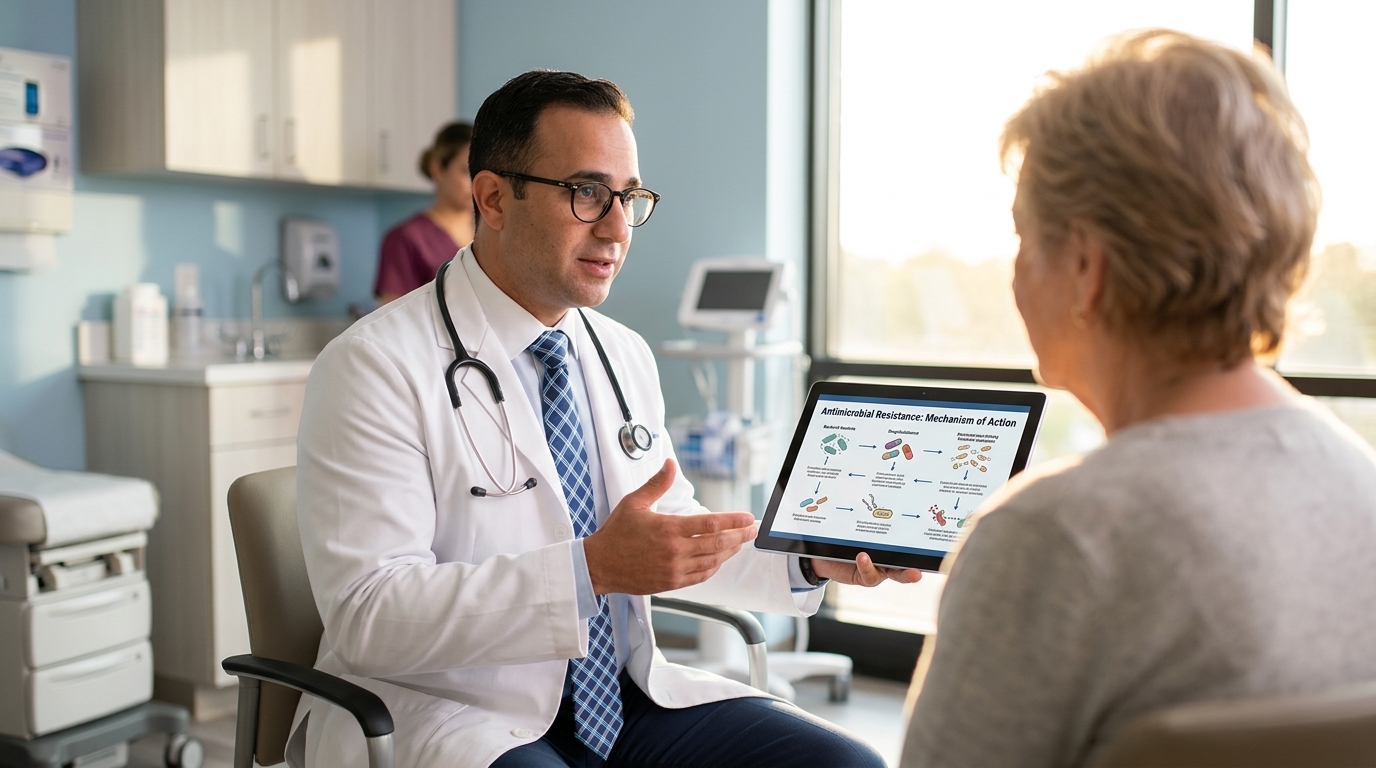
Preventive Medicine
Preventive medicine represents a proactive approach to healthcare, distinguishing itself from traditional reactive healthcare models that primarily focus on treating established illnesses. At its core, preventive medicine aims to enhance public health by identifying potential health risks in individuals and communities, thereby mitigating these risks before they evolve into more serious conditions. This approach encompasses a range of practices, including those that promote healthy lifestyles, vaccinations, screenings, and early interventions.
The importance of preventive medicine is underscored by its potential to reduce the incidence of chronic diseases and improve overall population health. By emphasizing regular health check-ups and screenings, individuals can stay informed about their health status and make necessary lifestyle changes that can prevent the onset of diseases such as diabetes, heart disease, and certain cancers. The shift from reactive to preventive care not only extends life expectancy but also enhances the quality of life, as people are empowered to take charge of their health before issues manifest into more severe conditions.
Moreover, preventive medicine fosters a greater understanding of the interplay between genetics, lifestyle factors, and environmental influences on health. It encourages individuals to engage in behaviors that reduce their risk factors, such as maintaining a balanced diet, exercising regularly, and avoiding harmful substances. By adopting these practices, healthcare providers seek to create a culture of health awareness and responsibility within communities, contributing to a more sustainable healthcare system.
As the healthcare landscape evolves, the integration of preventive medicine with innovative technologies, such as telemedicine, holds great promise. This technology not only facilitates access to healthcare professionals but also supports continuous monitoring and education, which are integral to successful preventive strategies. In this way, preventive medicine is poised to play a crucial role in shaping the future of health.
The Rise of Telemedicine
Telemedicine, a term gaining prominence in recent years, refers to the delivery of healthcare services and information through telecommunications technology. This innovative approach to healthcare allows patients to consult healthcare providers remotely, utilizing various forms of communication, such as video calls, mobile applications, and online messaging platforms. The evolution of telemedicine can be traced back several decades; however, its adoption accelerated significantly during the COVID-19 pandemic. As traditional healthcare facilities faced unprecedented challenges and restrictions, telemedicine emerged as a crucial healthcare alternative, ensuring continuity of care for patients.
In the face of the pandemic, many healthcare providers quickly adapted their services to incorporate telemedicine solutions. This shift enabled them to reach patients who might have been unable to attend in-person appointments due to health concerns, geographical barriers, or mobility issues. Consequently, the growth of telemedicine has drastically improved access to healthcare. Patients can now receive timely consultations, follow-up appointments, and even mental health support from the comfort of their own homes.
Telemedicine has also played a significant role in preventive healthcare, allowing patients to monitor their health remotely. Regular check-ins with healthcare providers can help in the early detection of potential health issues, leading to timely interventions and improved health outcomes. By utilizing telemedicine, individuals are more likely to seek medical advice before symptoms escalate, thus embracing a preventive approach to their health management.
As telemedicine continues to evolve, it has the potential to transform how healthcare is delivered. Enhanced technology and the implementation of new regulations will further facilitate its integration into the broader healthcare system. Through these advancements, telemedicine will not only promote convenience but also foster a greater emphasis on preventive healthcare, ultimately improving population health on a wider scale.
Health Monitoring Technologies: An Overview
Health monitoring technologies have rapidly evolved, playing a crucial role in the advancement of preventive medicine. These innovations encompass an array of devices and applications, from wearable fitness trackers to sophisticated remote patient monitoring systems. By leveraging these technologies, individuals can gain valuable insights into their health, allowing for proactive management of potential health issues.
Wearables, such as smartwatches and fitness bands, are among the most recognizable health monitoring technologies. These devices are equipped with sensors that track various metrics, including heart rate, activity levels, sleep patterns, and even oxygen saturation. By collecting real-time data, wearables empower users to make informed decisions regarding their lifestyle choices. Additionally, many wearables integrate with mobile applications, providing users with a comprehensive overview of their health trends over time.
Mobile health apps further enhance the landscape of personal health monitoring. These applications allow users to log essential health information, such as dietary intake, medication adherence, and symptoms experienced throughout the day. Some apps also feature connectivity with wearable devices, consolidating data for a more holistic view of the user’s health status. This information can be invaluable for identifying patterns and risk factors associated with chronic diseases.
Remote patient monitoring systems take health monitoring a step further by enabling healthcare providers to track patients’ health outside of traditional clinical settings. These systems typically include devices that measure vital signs, like blood pressure and glucose levels, and transmit this data to healthcare professionals. Such continuous monitoring can facilitate early detection of potential health problems, reducing hospital visits and promoting timely interventions.
Overall, the integration of health monitoring technologies into daily life represents a significant shift toward preventive medicine. By harnessing the power of data collected from wearables, mobile health apps, and remote monitoring systems, individuals can take proactive steps to improve their health and enhance their well-being.
Data-Driven Decision Making in Preventive Health
Data-driven decision making has become a pivotal aspect of healthcare, particularly in the realms of preventive medicine and telemedicine technologies. The integration of various health monitoring technologies generates vast amounts of data, which can be harnessed to enhance health outcomes. By utilizing predictive analytics, healthcare providers can identify at-risk individuals before they develop serious health issues, thereby implementing earlier and more effective preventive strategies.
The advent of telemedicine has significantly transformed the landscape of health data collection. Devices such as wearable fitness trackers, remote monitoring systems, and mobile health applications continuously gather data regarding patients’ health status, lifestyle choices, and physiological indicators. This influx of real-time data enables clinicians to monitor patients more closely and make informed decisions tailored to individual needs. Moreover, by analyzing historical data, healthcare professionals can discern patterns and trends that may otherwise go unnoticed.
Predictive analytics plays a crucial role in this data-driven approach. By leveraging algorithms and statistical models, healthcare analysts can forecast potential future health risks based on current and past data. Identifying high-risk individuals allows for the development of personalized preventive strategies, which can include lifestyle changes, screenings, or early medical intervention. This proactive stance not only enhances the quality of care but also leads to cost savings for both patients and healthcare systems by preventing diseases before they necessitate extensive treatment.
Furthermore, the accessibility of telemedicine fosters greater patient engagement as individuals become more informed about their health through data. This leads to better compliance with preventive measures and enhances the overall effectiveness of healthcare initiatives. As healthcare systems continue to integrate data-driven decision-making processes, the potential for improved public health outcomes grows exponentially.
Patient Engagement Through Telehealth Platforms
Telehealth platforms have emerged as significant tools in modern healthcare, facilitating effective communication between patients and healthcare providers. One of the primary benefits of these technologies is their ability to enhance patient engagement, which is crucial for achieving optimal health outcomes. By keeping patients informed and involved in their healthcare decisions, telehealth platforms contribute to improved adherence to treatment plans and a better understanding of health conditions.
Several strategies can be implemented on telehealth platforms to foster patient engagement. Firstly, patient education is paramount. Through easily accessible resources, such as informational videos, webinars, and interactive content, patients can gain valuable insights into their health. These educational tools not only empower patients to take an active role in their health management but also help in demystifying complex medical conditions and treatment options.
Moreover, the integration of personalized messaging and reminders through telehealth applications plays a significant role in enhancing engagement. For example, automated text messages or app notifications can alert patients to upcoming appointments, prescription refills, or necessary health screenings. Such reminders serve as gentle nudges for patients, encouraging them to adhere to their healthcare plans while also allowing for effective time management.
In addition to communication tools, telehealth platforms can employ features such as secure messaging, video consultations, and health tracking dashboards. These functionalities facilitate real-time interaction and feedback, fostering a sense of collaboration between patients and healthcare providers. Continuous engagement through these channels reinforces the patient-provider relationship and promotes trust, which is essential in a successful healthcare journey.
In conclusion, the role of telehealth platforms in fostering patient engagement is undeniable. By employing innovative tools and strategies that prioritize communication and education, these technologies empower patients to play an active role in their healthcare decisions, ultimately leading to improved health outcomes.
Challenges and Limitations of Preventive Medicine and Telemedicine
The integration of preventive medicine and telemedicine technologies presents a transformative opportunity for healthcare; however, several challenges and limitations impede their full potential. One significant barrier is the adoption of technology by healthcare professionals and patients alike. Not all healthcare providers are familiar with telemedicine platforms or may lack the necessary training required to utilize these tools effectively. This unfamiliarity can result in hesitance, inconsistent usage, and a reliance on traditional medical practices, undermining the efficacy of preventive strategies.
Moreover, patients may exhibit reluctance towards utilizing telemedicine due to unfamiliarity with technology or concerns about the quality of care delivered through virtual consultations. Such apprehensions can limit the accessibility of preventive medicine services, resulting in fewer individuals seeking timely interventions that are critical for early disease detection and management. Furthermore, certain demographics may lack the digital literacy to fully engage with telemedicine systems, underscoring the role of education and support in overcoming these barriers.
Privacy concerns represent another crucial challenge in the realm of telemedicine. The transmission of sensitive health data over the internet raises questions about data security and patient confidentiality. Healthcare providers must ensure compliance with regulations like HIPAA (Health Insurance Portability and Accountability Act) to safeguard patient information. Failure to maintain stringent security protocols can lead to data breaches, creating distrust in telemedicine solutions among both patients and practitioners.
The digital divide also poses substantial limitations to the widespread implementation of preventive medicine and telemedicine. Disparities in access to technology, particularly in rural and underserved urban areas, can exacerbate health inequalities. Individuals without reliable internet access, necessary devices, or technological skills may find themselves excluded from the benefits of these innovative health solutions, ultimately compromising the goal of equitable healthcare.
Success Stories: Real-World Applications
The implementation of preventive medicine and telemedicine has led to remarkable success stories across diverse healthcare settings. These real-world applications highlight the positive impacts on patient care, healthcare accessibility, and overall health outcomes. One notable case is the partnership between a community health organization and a telemedicine provider that significantly reduced hospital readmissions for chronic disease patients. By utilizing remote monitoring tools, healthcare professionals were able to track patients’ health metrics in real-time, enabling early intervention and personalized care plans. The result was a 30% decrease in readmissions within just one year, which not only improved patient health but also reduced strain on local hospitals.
Another compelling example involves a rural clinic that adopted telemedicine to bridge the gap between patients and specialized care. Many patients in rural areas face significant barriers in accessing necessary medical consultations, often leading to delayed diagnoses and treatment. By integrating video consultations into their service offerings, the clinic was able to connect patients with specialists from urban centers, providing timely consultations and resulting in positive treatment outcomes. Testimonies from patients emphasize the convenience and effectiveness of this service, with many reporting improvements in their health due to previously inaccessible specialist guidance.
Additionally, the success of wearable technology in preventive medicine cannot be overlooked. For instance, a large technology company launched a health program that utilized wearable devices to monitor heart rates, physical activity, and sleep patterns. Participants in this program experienced notable weight loss and improved cardiovascular health within six months. Feedback collected through surveys indicated that patients felt more empowered to take charge of their health while fostering a proactive approach to preventive care.
These case studies underscore the transformative potential of preventive medicine and telemedicine technologies. By showcasing tangible benefits and successful outcomes, they serve as inspiring examples of how healthcare can evolve to meet the needs of patients effectively.
The Future of Preventive Medicine and Telemedicine
The field of healthcare is continuously evolving, with preventive medicine and telemedicine standing at the forefront of this transformation. Advances in technology are set to revolutionize how we approach health management, emphasizing early intervention and proactive care. One significant trend is the increasing use of Artificial Intelligence (AI) and machine learning in predictive analytics. These technologies can analyze vast amounts of data to identify potential health risks before they escalate into more serious conditions. By harnessing AI, healthcare providers can offer personalized preventive strategies tailored to individual patients’ needs.
Wearable technology is another area poised for significant growth. Devices such as smartwatches and fitness trackers have gained popularity, but the future holds a promise of even more sophisticated monitoring tools capable of tracking a wider array of health metrics. These advancements will empower individuals to take control of their health by facilitating continuous monitoring and immediate feedback, thus promoting a proactive approach to wellness. This integration of technology into everyday life not only enhances individual awareness but also provides healthcare providers with real-time data necessary for effective decision-making.
Moreover, telemedicine is expected to become more integrated within traditional health systems, allowing for seamless communication between patients and healthcare professionals. Virtual visits are likely to become increasingly sophisticated, utilizing augmented reality and virtual reality tools for enhanced patient engagement and education. This would not only improve access to care, especially in underserved areas, but also provide a more interactive experience for patients, thereby driving adherence to recommended preventive measures.
The convergence of these technologies presents exciting possibilities for the future of health. By promoting preventive measures and enhancing accessibility through telemedicine, these advancements can lead to healthier populations and improved health outcomes. As we look ahead, the integration of preventive medicine and telemedicine offers a glimpse into a more responsive and patient-centric healthcare system.
Embracing a Preventive Health Paradigm
As we navigate the ever-evolving landscape of health care, it becomes increasingly evident that the integration of preventive medicine and telemedicine technologies is central to achieving optimal health outcomes. A paradigm shift towards preventive strategies enables individuals to take charge of their health before ailments arise. This proactive approach not only reduces the burden on healthcare systems but also empowers individuals to make informed decisions regarding their well-being.
The key takeaways from this exploration of preventive medicine underscore the vital role that health monitoring technologies and virtual care solutions play in enhancing patient engagement. Telemedicine, in particular, offers an unprecedented opportunity to access healthcare services regardless of geographical constraints. Combining remote consultations with continuous health tracking encourages a holistic view of patient care, allowing for early interventions that can lead to better health outcomes.
Moreover, by embracing a preventive health paradigm, individuals can foster healthier lifestyle choices, cultivate positive habits, and engage with healthcare professionals more effectively. Utilizing digital health tools not only facilitates regular health assessments but also promotes adherence to personalized wellness plans. These advancements pave the way for a future where health maintenance becomes a collaborative effort between individuals and healthcare providers.
Considering the impact of these technologies, it is essential for individuals to reflect on their own health practices. By integrating preventive measures and familiarizing themselves with telemedicine resources, individuals can enhance their quality of life and contribute to a more sustainable healthcare model. A commitment to preventive health strategies holds the promise of not just a healthier future, but also a more informed, empowered population capable of navigating their healthcare journey effectively.